
Arthroscopy Services in Pune
Minimally invasive diagnostic visualization and therapeutic repair for sports injuries, ligament tears, and cartilage damage with faster recovery times.
What is Arthroscopy?
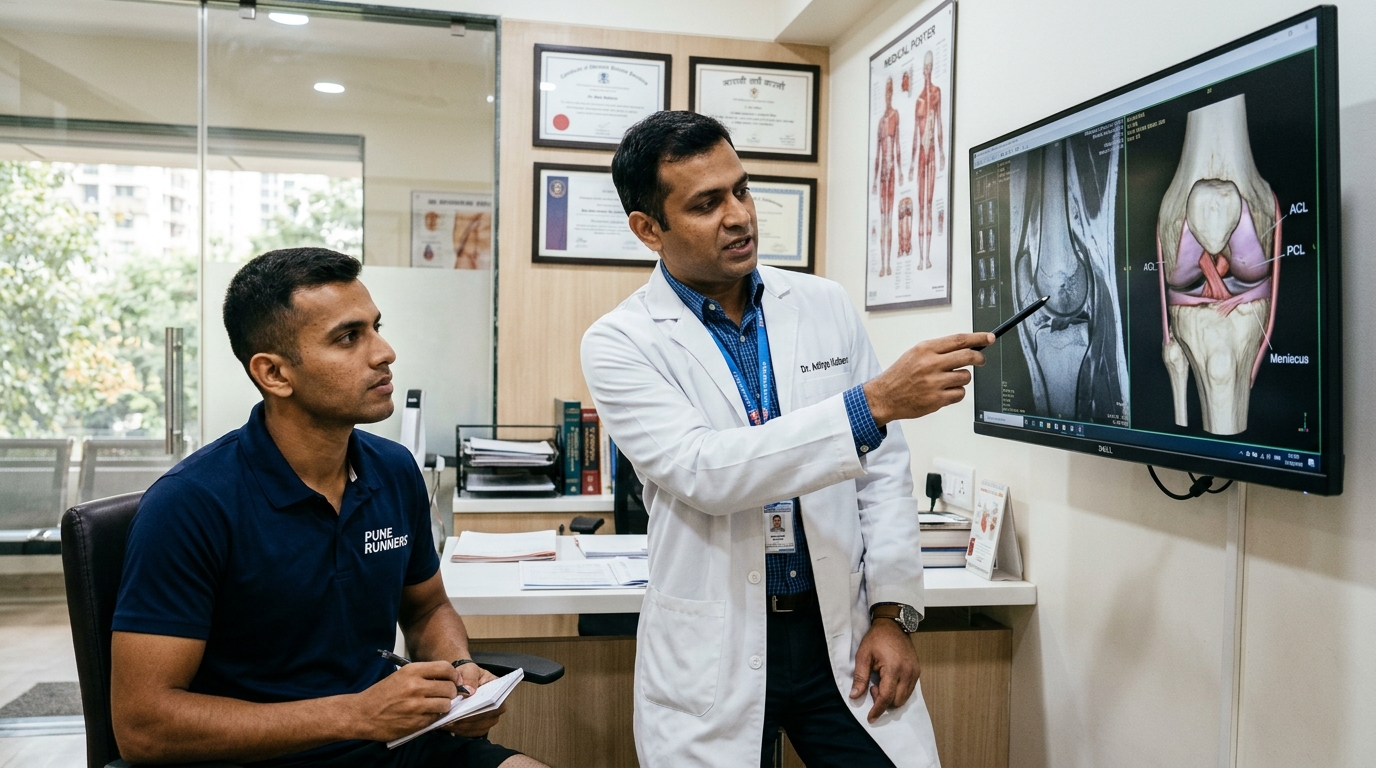
Arthroscopy is a minimally invasive surgical procedure used by orthopaedic surgeons to examine, diagnose, and treat conditions inside a joint. The word originates from Greek: "arthro" (joint) and "skopein" (to look).
Unlike traditional open joint surgeries that require large incisions, arthroscopy utilizes small puncture incisions (portals) roughly the size of a buttonhole (4 to 5 millimeters), resulting in significantly reduced post-operative pain, minimal scar tissue, and quicker resumption of activities.
How Keyhole Arthroscopy Works
During arthroscopy, an optical instrument called an arthroscope (a slender tube containing miniature fiber-optic lighting and a high-definition video camera) is inserted into the joint cavity.
Sterile fluid is pumped into the joint to expand the space and provide crystal-clear visualization. The camera transmits magnified, real-time images to a high-resolution monitor in the operating theatre. Miniature surgical tools can then be introduced through a second tiny portal to repair, trim, or reconstruct damaged internal tissues.
When is Arthroscopy Considered?
Arthroscopy is considered when clinical examination and magnetic resonance imaging (MRI) reveal structural damage inside a joint that has not responded to conservative care or requires mechanical repair:
- Torn Meniscus: Trimming or repairing torn fibrocartilage in the knee joint to alleviate joint locking or catching.
- Ligament Reconstruction: Reconstructing the Anterior Cruciate Ligament (ACL) or Posterior Cruciate Ligament (PCL) after sports injury.
- Removal of Loose Bodies: Extracting floating fragments of bone or cartilage that irritate the joint lining and cause sudden joint locking.
- Synovial Biopsy / Synovectomy: Removing chronically inflamed joint lining in persistent non-responsive synovitis.
Common Joints Evaluated
- Knee Joint: Most common application — addressing ACL/PCL tears, meniscus tears, and patellar tracking issues.
- Shoulder Joint: Rotator cuff repairs, labral tears (Bankart lesions), shoulder impingement, and recurrent dislocations.
- Ankle Joint: Chronic ankle instability, impingement syndromes, and osteochondral lesions of the talus.
The Procedure & Surgical Safety
Arthroscopy is generally performed as a daycare or short-stay procedure under regional or general anesthesia:
- Two or three tiny skin incisions are created around the joint.
- Direct inspection confirms findings seen on MRI with 100% anatomical accuracy.
- Specialized motorized shavers, suture anchors, or radiofrequency probes perform the necessary repair.
- Small portal wounds are closed with one or two small sutures or adhesive strips.
Recovery & Rehabilitation
While recovery is notably faster than open surgery, active rehabilitation remains vital. Patients typically begin guided range-of-motion exercises within 24 to 48 hours. Weight-bearing status depends on the specific repair (e.g., meniscal repair may require crutches for a few weeks, whereas a simple debridement allows immediate weight bearing).
Your Treating Specialist
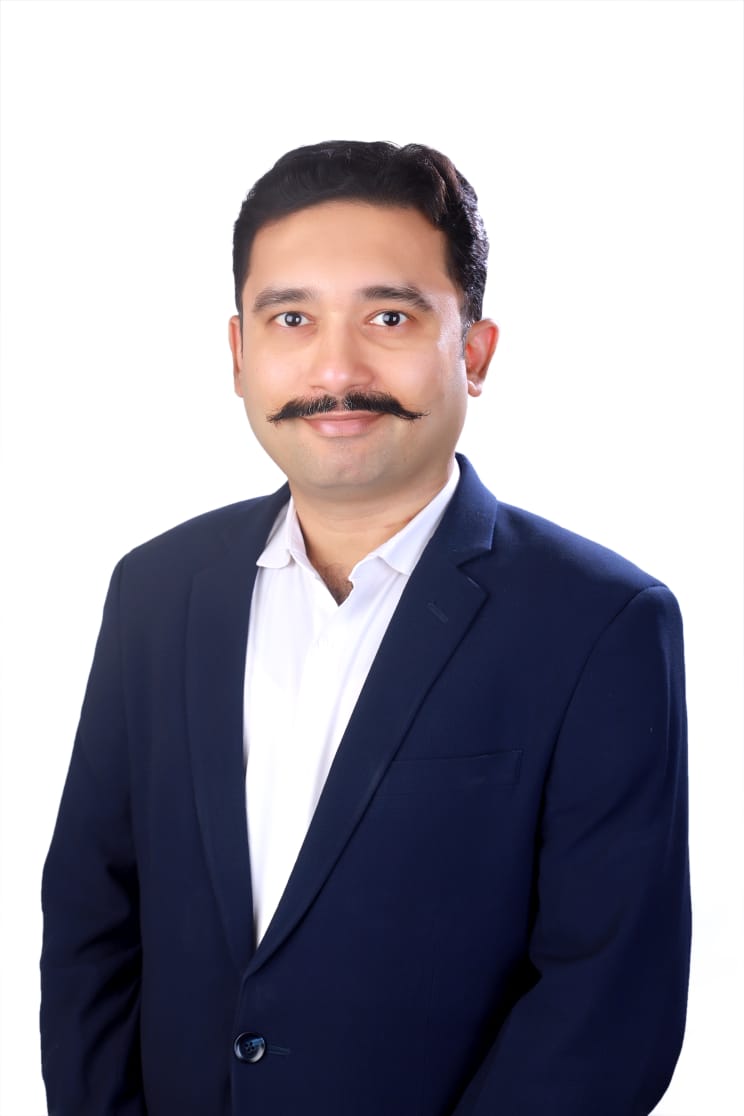
Dr. Anand Surana
Fellowship-trained surgeon with advanced expertise in joint preservation and keyhole arthroscopic diagnosis.
Frequently Asked Questions
Will I need crutches after knee arthroscopy?
For diagnostic procedures or simple meniscal trimming, many patients walk with minimal assistance within 2 to 3 days. If an ACL reconstruction or meniscus repair was performed, crutches and a knee brace are typically used for a few weeks to protect the repaired tissue.
Does arthroscopy leave large visible scars?
No. The incisions are typically only 4 to 5 millimeters in length, resulting in tiny, inconspicuous marks that fade significantly over time.
Discuss Your Joint Symptoms with Dr. Anand
Schedule a consultation at Rajmangal Clinic in Baner, Pune for an objective evaluation of your knee, shoulder, or sports injury.
Consultation Request
Thank You
Our team will contact you to confirm your consultation schedule.